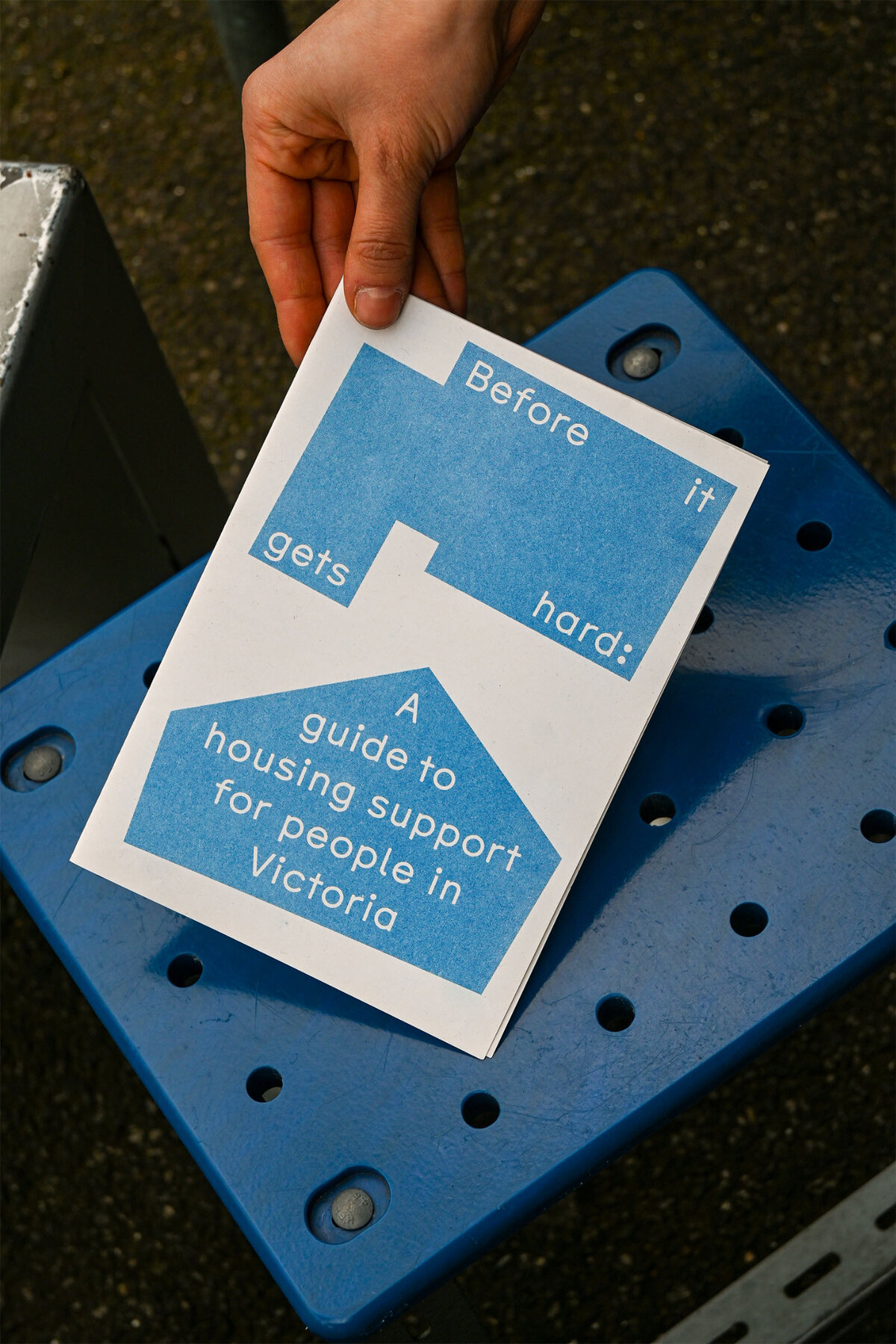
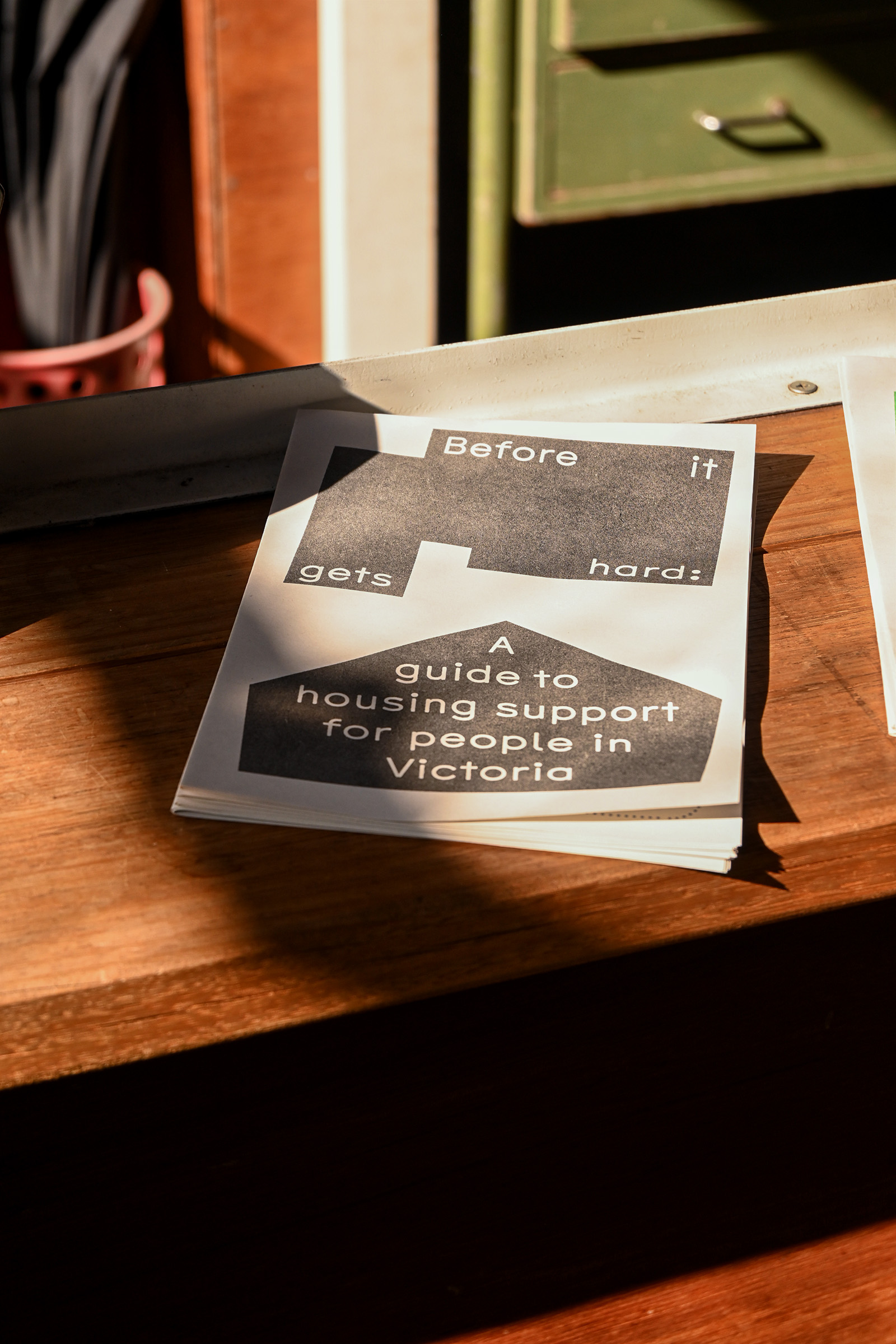
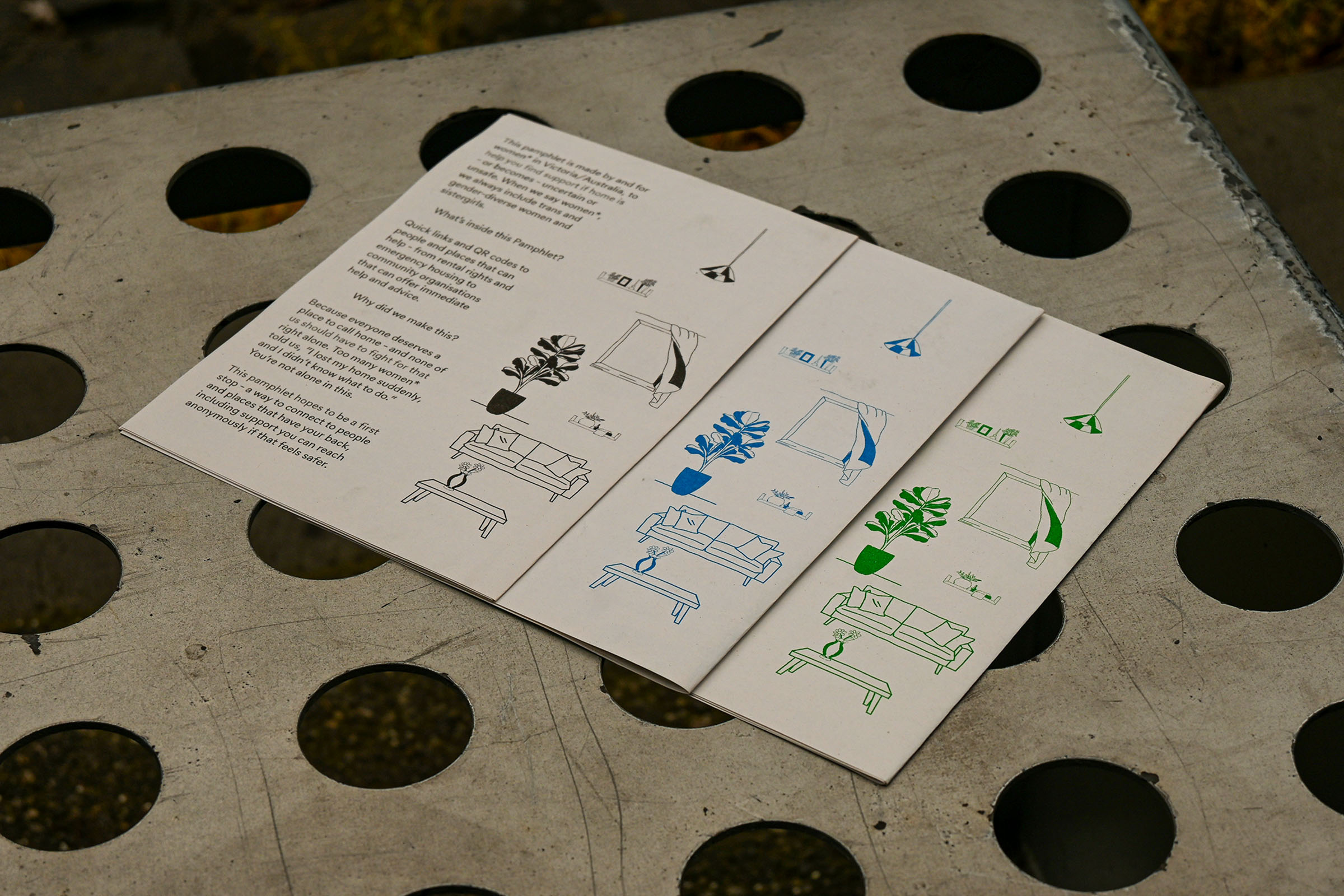
A hand holding the Before it gets hard housing support guide.

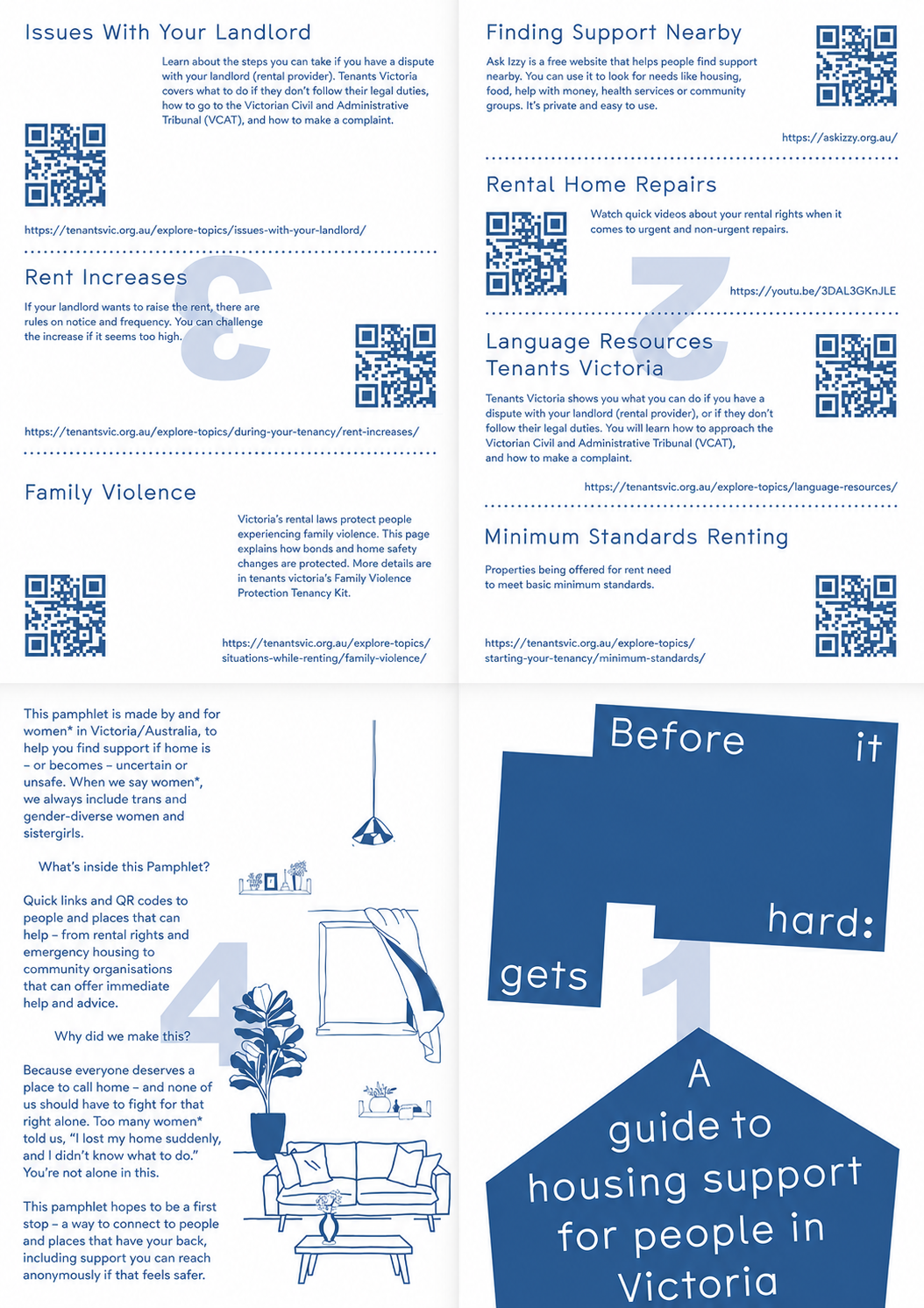
A guide to housing support for people in Victoria

Before
it gets
hard.

A free first point of reference to help people understand housing options, rights and pathways to support before a situation reaches crisis point.

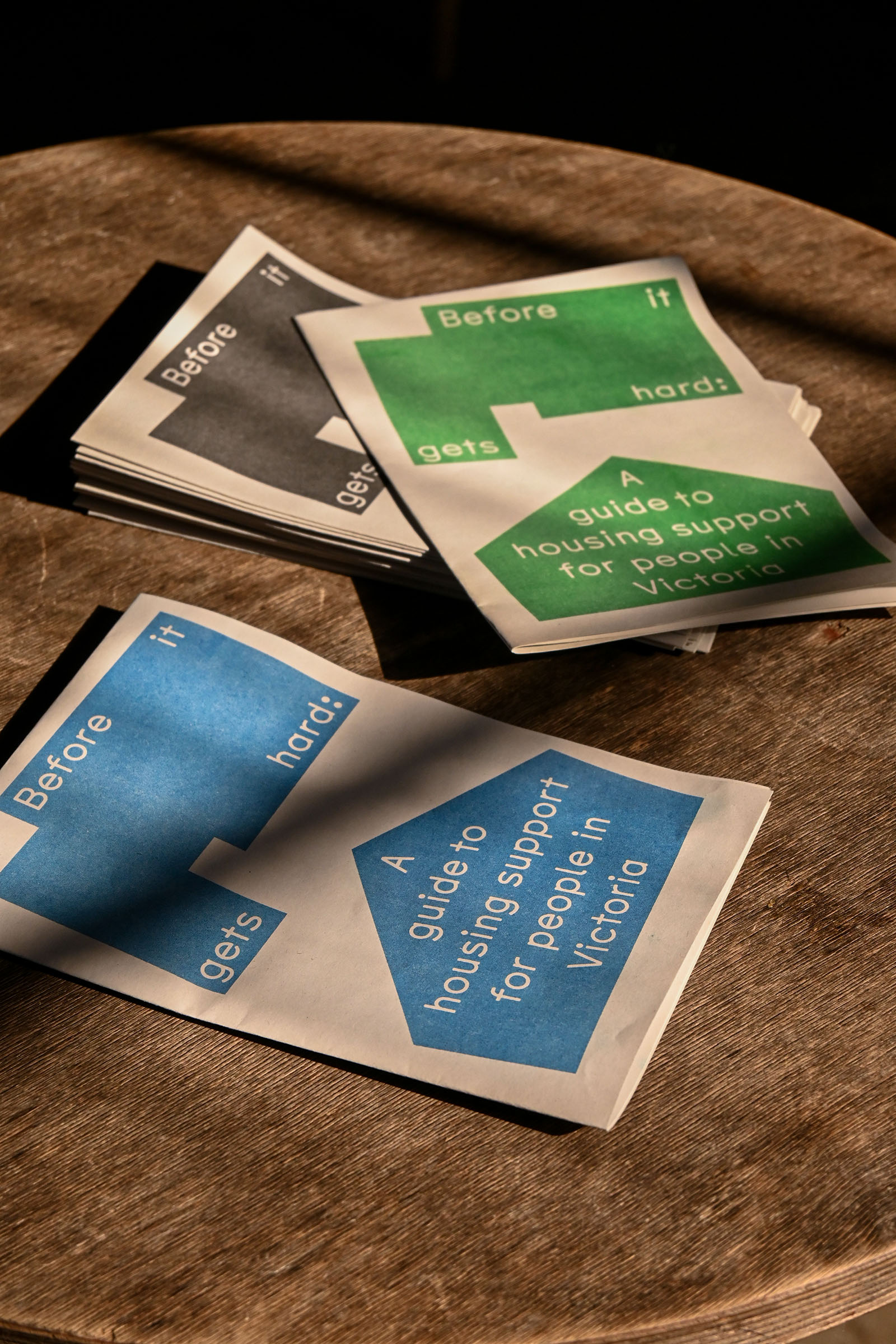
Three colour versions · same guide

Housing support exists. Knowing where to begin can still be difficult.

Before it gets hard is a guide to housing support in Victoria, developed from the conversations and research of home.women.housing. While information and services exist, our conversations with women showed how difficult it can be to know where to begin, what your rights are and where to turn for support, often until a housing situation has already become critical.

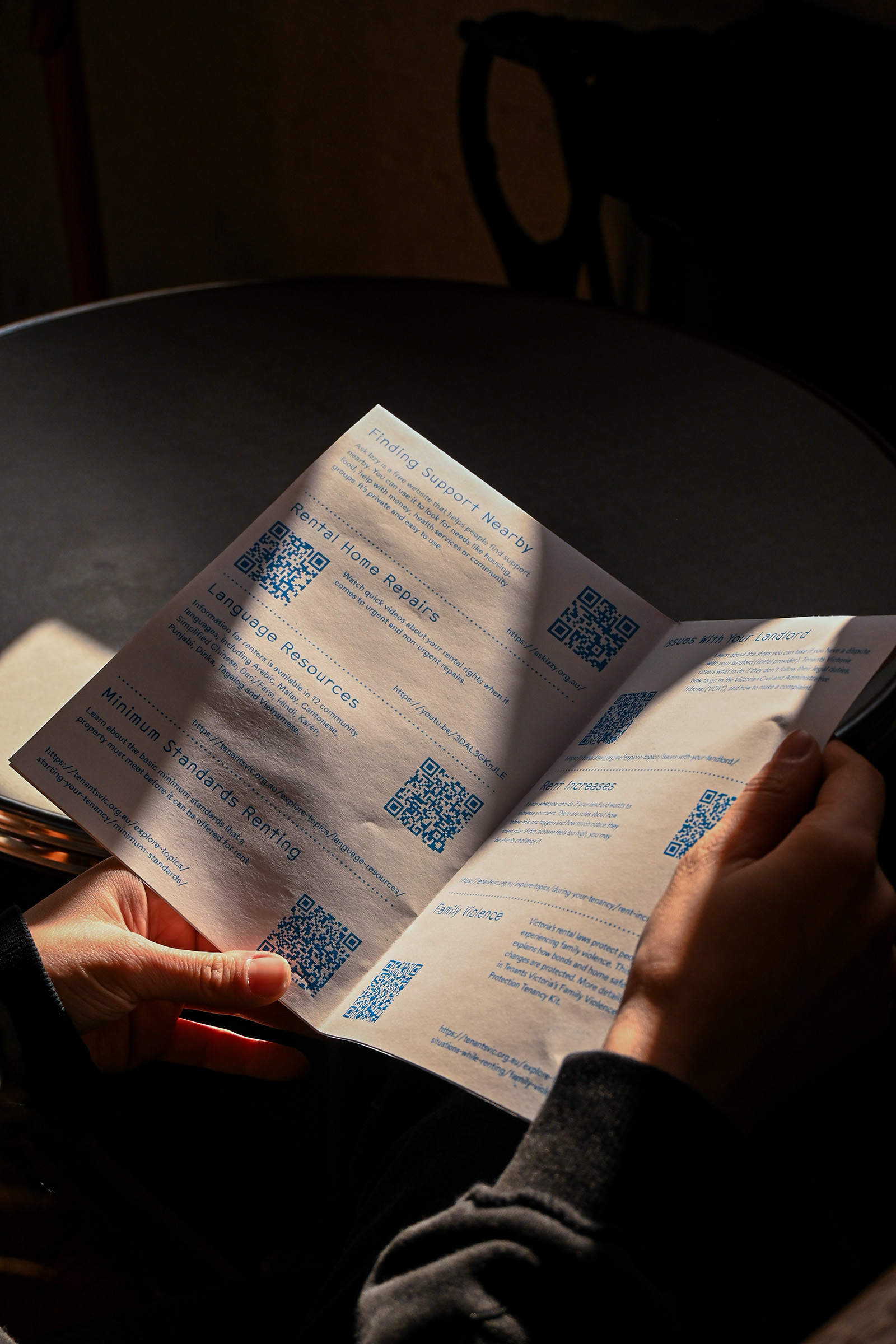
Bringing together information on renting, family violence, emergency housing, legal advice and homelessness services, Before it gets hard is designed to help people understand their options and navigate the housing system with greater independence. Developed in dialogue with women, frontline workers and specialist organisations, the resource combines clear language with hand-drawn illustrations to make complex information more approachable and accessible.

The Before it gets hard pamphlet is already available and being distributed through libraries, community organisations, neighbourhood houses, health services and other trusted places across Victoria. A more extensive book and digital resource are still in development and will follow soon.

Year 2025–ongoing
Location Victoria, Australia
Type Research, Publication,
Visual Communication, Discourse
Before it gets hard housing guide.
  1. Support self-determination and independence by making housing rights, options and pathways to support easier to understand and navigate.
  2. Help people recognise their options and access trusted support before a housing situation reaches crisis point.
  3. Bring women’s lived experience into dialogue with frontline, specialist and institutional knowledge.
  4. Use design and visual communication to make complex information more accessible, contributing to greater equity in how housing knowledge and support can be accessed.

Find, read, share
and pass it on.

The resource brings practical information together in one place and points people towards trusted organisations for more specialised support.

The Before it gets hard pamphlet.

One sheet.
Two folds.

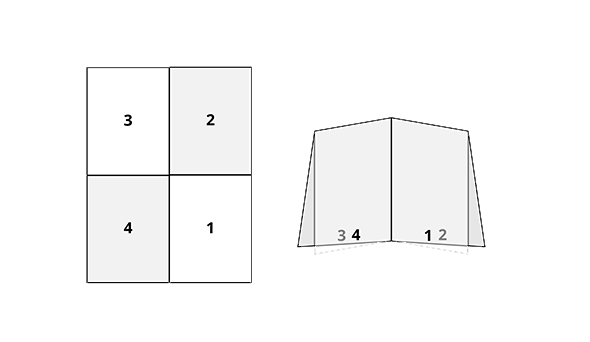
The guide is printed on a single sheet and uses a French fold. Fold the sheet in half horizontally first, then vertically, following the numbered panels.

Veronika Muchitsch Beaziyt Worcou Queen Victoria Women’s Centre Council of Single Mothers and their Children Housing for the Aged Action Group Flat Out OFFICE

home.women.housing

home.women.housing is a collaborative design and research collective working across housing, gender and social equity. We use design as a form of mediation, bringing lived experience into dialogue with research, specialist knowledge and housing systems. Through conversation, visual communication and collective processes, we translate what we learn into exhibitions, resources and public conversations.

Asma Marikkar (she/her)

Asma Marikkar is an architectural graduate from Sri Lanka with a background in residential development. Her work is driven by a passion for housing research and the pursuit of affordable and sustainable solutions to housing challenges. She enjoys illustrating, writing and engaging with people to uncover shared patterns and underlying causes to challenges, using research and design to develop thoughtful, inclusive and realistic responses that improve the way people live.

Sreelakshmi [Sree] Arun (she/her)

Sreelakshmi [Sree] Arun is a multidisciplinary spatial practitioner, whose work aspires to the intersections of architecture, politics and cultural practice. Born in Kerala and raised on Wurundjeri Country, her experiences of migration shape her understanding of home, displacement and community; and inform her work in housing and spatial justice and extractive urbanisation. Her practice spanning architecture, education, art, design research and advocacy explores how architectural knowledge can contribute to more equitable and accountable systems.

Therese Eberl (she/her)

Therese Eberl is a designer and artist from Austria with a background in architecture. Working across social research, visual communication, and architecture she explores questions of housing equity, community, and gender-sensitive urban environments through dialogue, workshops, photography, illustration and collage. Her practice translates research and lived experience into exhibitions, publications, and public programmes that question established narratives around housing, encouraging more inclusive, responsive, and equitable environments.